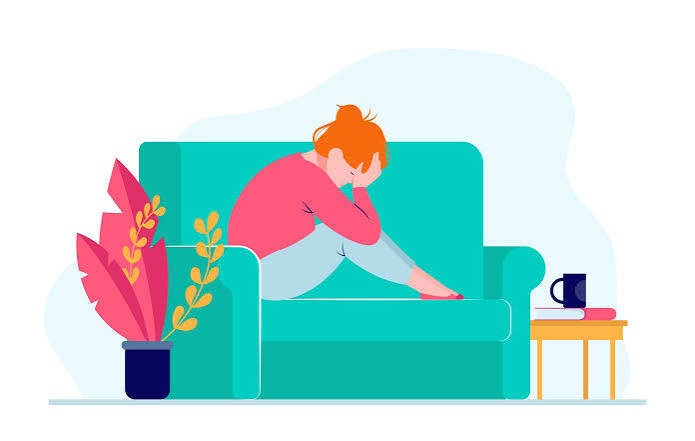
Many people describe the same feeling:
“I feel stuck.”
“I know things need to change, but I can’t move forward.”
“I keep going round in circles.”
This experience is more common than you might think—and it’s often misunderstood.
Feeling emotionally stuck is not a sign of failure or lack of motivation.
It is usually a sign that something deeper is holding you in place.
What Does Feeling Emotionally Stuck Mean?
Feeling stuck can show up in different ways:
- Repeating the same patterns in relationships
- Struggling to make decisions or move forward
- Feeling disconnected or numb
- Knowing what needs to change, but being unable to act
- Experiencing the same emotional reactions again and again
For many people, this creates frustration and self-doubt:
- “Why can’t I just get on with things?”
- “What’s wrong with me?”
But the truth is—these experiences often make sense when we understand what’s underneath them.
Why Do We Feel Emotionally Stuck?
- Unresolved Emotional Trauma
One of the most common reasons people feel stuck is unresolved emotional trauma.
This doesn’t always relate to major events.
It can come from earlier experiences where:
- Emotions weren’t understood or supported
- You had to cope on your own
- You adapted to situations that felt unsafe or overwhelming
Over time, these experiences shape how you respond to life.
Even when circumstances change, the emotional patterns can remain.
- The Brain Is Trying to Protect You
Feeling stuck is not random—it is often protective.
Your mind and body learn what feels safe.
If change feels uncertain or risky, even in small ways, your system may hold you back.
This can show up as:
- Avoidance
- Overthinking
- Procrastination
- Staying in familiar but unhelpful patterns
It’s not that you don’t want to move forward—
it’s that part of you doesn’t feel safe to.
- Emotional Patterns Become Automatic
Over time, emotional responses become ingrained.
You may find yourself:
- Reacting in ways that feel out of proportion
- Repeating behaviours you’ve tried to change
- Feeling “triggered” without fully understanding why
This is often linked to earlier emotional experiences that were never fully processed.

You’re Trying to Think Your Way Out of an Emotional Experience
Many people try to solve feeling stuck through logic:
- analysing the problem
- understanding their thoughts
- setting goals
While this can help, it doesn’t always create change.
That’s because emotional patterns are not stored as thoughts alone—they are stored as felt experiences.
Why Insight Alone Isn’t Enough
You might already understand your patterns.
You might know:
- why you react the way you do
- where it comes from
- what you would like to change
But still feel unable to shift it.
This is where many people become frustrated.
Real change often requires more than understanding—it requires emotional processing.

A Different Way Forward
At Heart Felt Trauma Therapy, we approach feeling stuck differently.
Rather than asking “What’s wrong?”, we ask:
- What experiences shaped this response?
- What emotional messages are being carried?
- What part of you is trying to stay safe?
This allows us to work with the root causes, not just the surface patterns.
How Felt Trauma Therapy® Can Help
Felt Trauma Therapy® focuses on:
- Understanding the emotional origins of patterns
- Identifying “trauma age” and developmental impact
- Working at a pace that feels safe
- Supporting deeper emotional processing
This helps individuals to:
- Move out of repetitive cycles
- Feel more in control of their responses
- Develop new ways of relating to themselves and others
You’re Not Stuck—You’re Protecting Yourself
One of the most important shifts is this:
You are not broken.
You are not failing.
You are not lacking motivation.
You are responding in a way that once made sense.
And when those responses are understood, they can begin to change.

Moving Forward
Feeling emotionally stuck can feel frustrating and isolating—but it is not permanent.
With the right support, it is possible to:
- Understand your patterns
- Process underlying experiences
- Move forward in a way that feels safe and sustainable
At Heart Felt Trauma Therapy, we support individuals to make sense of their experiences and create meaningful, lasting change.
FAQs
Why do I feel stuck in life emotionally?
Feeling stuck emotionally is often linked to unresolved emotional experiences or trauma. These can create patterns that influence how you respond to situations, even when you consciously want to change.
Is feeling stuck a sign of trauma?
It can be. While not always linked to major trauma, feeling stuck is often connected to earlier emotional experiences that have not been fully processed.
Why can’t I move forward even when I want to?
Part of you may not feel safe to move forward. The brain is designed to protect you, and if change feels uncertain, it may keep you in familiar patterns.
How do I stop feeling emotionally stuck?
Understanding the root causes of your patterns is key. Therapy that focuses on emotional processing, such as Felt Trauma Therapy®, can help you move beyond feeling stuck.
Can therapy help if I feel stuck?
Yes. Many people seek therapy specifically because they feel stuck. The right approach can help you understand and shift the patterns keeping you in place.
Is this linked to anxiety or depression?
Feeling stuck can be linked to anxiety, low mood, or both. These experiences are often connected to underlying emotional patterns and unresolved trauma.
How long does it take to stop feeling stuck?
There is no fixed time frame. Progress depends on the individual, but working at a pace that feels safe often leads to more meaningful and lasting change.