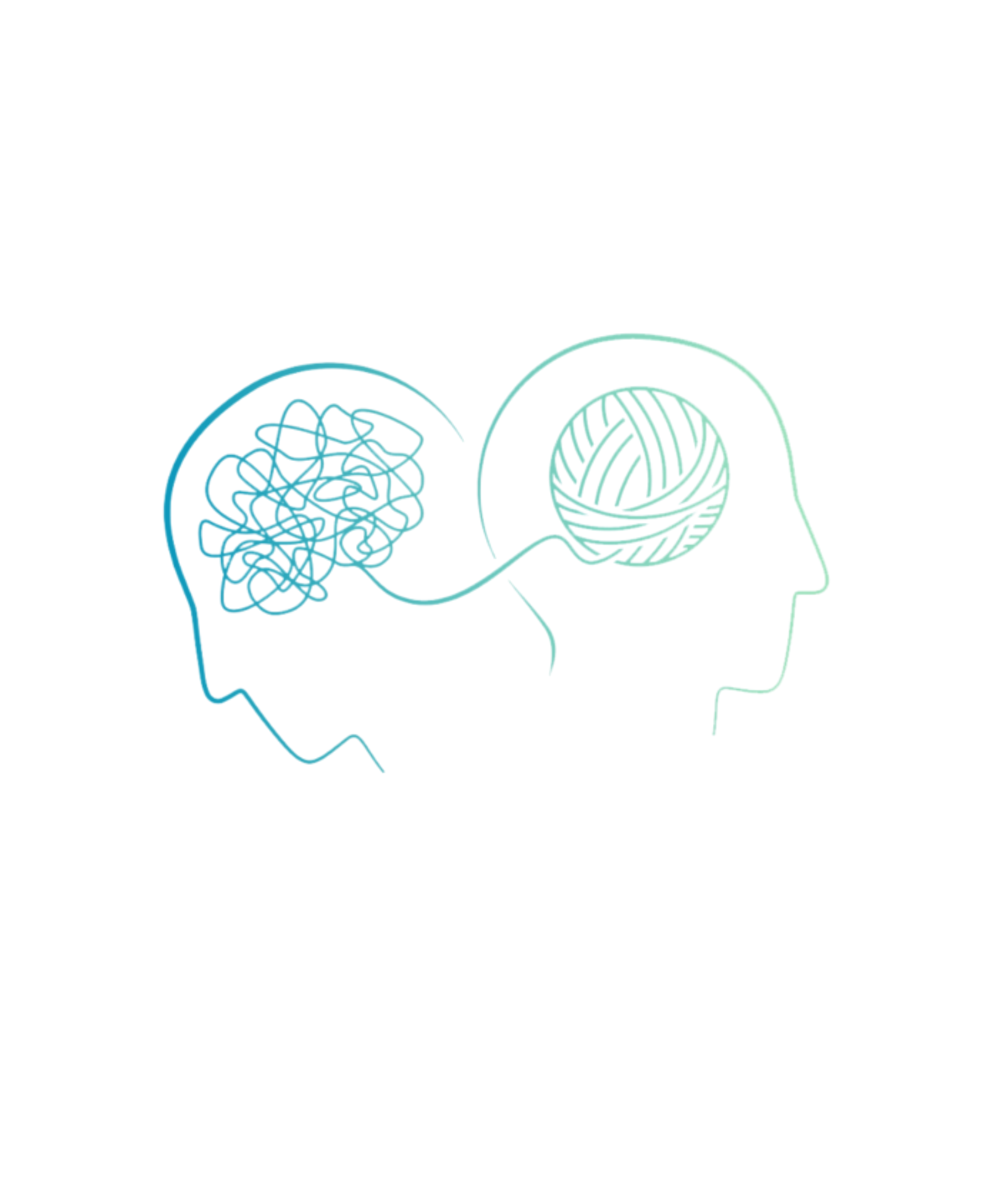

Have you ever found yourself repeating the same patterns in relationships—despite wanting something different?
You’re not alone.
Many of the ways we think, feel, and behave in relationships are shaped long before adulthood—often in childhood.
The Early Emotional Blueprint
As children, we learn about:
- Safety
- Love
- Trust
- Self-worth
These lessons aren’t taught directly—they’re felt through experiences.
For example:
- A child who feels unheard may learn their voice doesn’t matter
- A child who experiences inconsistency may struggle to trust
- A child who feels responsible for others’ emotions may become a people-pleaser
These early emotional messages form what we call an internal blueprint for relationships.
When the Past Shows Up in the Present
As adults, these patterns can show up as:
- Fear of abandonment
- Difficulty trusting others
- Over-giving or people-pleasing
- Avoiding emotional closeness
- Staying in unhealthy relationships
Often, people don’t realise these responses are rooted in earlier experiences.
It’s Not About Blame
Understanding the impact of childhood experiences isn’t about blaming parents or caregivers.
It’s about recognising:
- What was missing
- What was learned
- How it continues to influence your life
Changing the Pattern
The good news is—patterns can change.
Through therapy, individuals can:
- Understand their emotional responses
- Reprocess past experiences safely
- Develop healthier relational patterns
- Build stronger, more secure connections
At Heart Felt Trauma Therapy, we support people to move from automatic reactions to conscious choices in their relationships.

FAQs
What is the difference between felt trauma and traditional trauma?
Traditional trauma often focuses on events, such as abuse or significant life experiences. Felt trauma focuses on how those experiences were emotionally processed and the internal messages formed as a result. It recognises that trauma is shaped by emotional experience, not just what happened.
How is Felt Trauma Therapy® different from CBT or talking therapy?
While approaches like CBT focus on thoughts and behaviours, Felt Trauma Therapy® works with the emotional roots of those patterns. It helps individuals understand and process underlying experiences, rather than just manage symptoms.
What is trauma age?
Trauma age refers to the developmental stage at which emotional processing was disrupted. This can influence how a person responds to situations later in life, often leading to reactions that feel younger than their actual age.
How long does Felt Trauma Therapy® take?
The length of therapy varies depending on the individual. Because this approach works at a deeper level, it is paced carefully to ensure safety and meaningful progress, rather than quick fixes.
Can Felt Trauma Therapy® help if I’ve already had therapy?
Yes. Many people who come to Felt Trauma Therapy® have previously tried other approaches. This model can help when individuals feel stuck, by focusing on emotional processing rather than just understanding or coping strategies.
Is Felt Trauma Therapy® suitable for children and families?
Yes. This approach is effective for adults, children, and families, as it focuses on emotional experience and relational patterns, which are relevant across all ages.
Do I need to have experienced major trauma for this to help?
No. Felt trauma can develop from a wide range of experiences, including those that may not seem significant at the time. What matters is how those experiences were felt and internalised.