Trauma is often misunderstood.
Many people believe trauma only relates to major life events—abuse, violence, or significant loss. While these experiences are undeniably traumatic, trauma is not defined by the event itself, but by how it is felt and processed.
At Heart Felt Trauma Therapy, we describe trauma as something much deeper:
The lasting emotional impact of experiences that were overwhelming, confusing, or unsupported at the time they occurred.
Trauma Is About Experience, Not Just Events
Two people can experience the same situation and respond very differently. One may process it and move forward; the other may carry its emotional imprint for years.
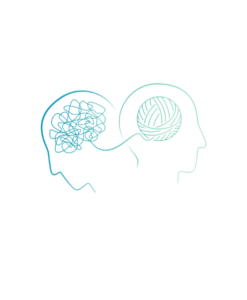 This is because trauma is shaped by:
- Age and developmental stage
- Emotional support available at the time
- Repeated experiences and patterns
- Internalised beliefs about self and safety
This is why we focus on what we call “felt trauma”—the emotional messages absorbed during difficult experiences.
The Hidden Impact of Trauma
Unresolved trauma doesn’t just disappear. It often shows up later as:
- Anxiety or low mood
- Difficulty in relationships
- Low self-esteem
- People-pleasing or avoidance behaviours
- Physical symptoms such as fatigue or chronic pain
Many people don’t realise these patterns are rooted in earlier emotional experiences
Why Understanding Trauma Matters
When trauma is misunderstood, people often blame themselves:
- “Why do I react like this?”
- “Why can’t I just move on?”
- “What’s wrong with me?”
But the truth is—these responses make sense when we understand the underlying emotional experiences.
A Different Approach to Healing
At Heart Felt Trauma Therapy, we go beyond symptoms. understand:
- Where their patterns come from
- What emotional messages they carry
- How these continue to shape their lives today
Healing begins not with fixing, but with understanding.
If you feel it is the right time and are ready to take the next step, please use the link provided to get in touch.
FAQs
What is the difference between felt trauma and traditional trauma?
Traditional trauma often focuses on events, such as abuse or significant life experiences. Felt trauma focuses on how those experiences were emotionally processed and the internal messages formed as a result. It recognises that trauma is shaped by emotional experience, not just what happened.
How is Felt Trauma Therapy® different from CBT or talking therapy?
While approaches like CBT focus on thoughts and behaviours, Felt Trauma Therapy® works with the emotional roots of those patterns. It helps individuals understand and process underlying experiences, rather than just manage symptoms.
What is trauma age?
Trauma age refers to the developmental stage at which emotional processing was disrupted. This can influence how a person responds to situations later in life, often leading to reactions that feel younger than their actual age.
How long does Felt Trauma Therapy® take?
The length of therapy varies depending on the individual. Because this approach works at a deeper level, it is paced carefully to ensure safety and meaningful progress, rather than quick fixes.
Can Felt Trauma Therapy® help if I’ve already had therapy?
Yes. Many people who come to Felt Trauma Therapy® have previously tried other approaches. This model can help when individuals feel stuck, by focusing on emotional processing rather than just understanding or coping strategies.
Is Felt Trauma Therapy® suitable for children and families?
Yes. This approach is effective for adults, children, and families, as it focuses on emotional experience and relational patterns, which are relevant across all ages.
Do I need to have experienced major trauma for this to help?
No. Felt trauma can develop from a wide range of experiences, including those that may not seem significant at the time. What matters is how those experiences were felt and internalised.